Ponita Keo
Ponita Keo is a Cambodian documentary artist, working across photography, installation and film. She previously worked in international news broadcasting, then trained in photojournalism, before moving towards slower forms of visual storytelling.
Her personal work is a hybrid practice of documentary storytelling and everyday observation, often dealing with themes of soft control and personal agency.
What is your connection to Cambodia?
I moved around a lot growing up, but I was brought up Cambodian. It’s where I say I’m from, because nowhere else I’ve lived really makes sense.
You have largely grown up outside of Cambodia, and currently alternate your time between Europe and Cambodia? Why do you think your work is drawn back to Cambodia?
Cambodia may not have been “home” in a fixed sense, but growing up around Southeast Asia, it was always right around the corner. It’s also a place where things make emotional sense to me. But because I didn't fully grow up locally, I recognise the slight distance, which is perhaps what makes me keep looking. Maybe the work is my way of shrinking that gap.
Your work focuses a lot on Khmer women and gender topics in Cambodia. What is it about this aspect of Khmer society that interests you?
I find that there is something very specific in how Cambodian women move through space, and in the subtlety of what is said and not said. I’m generally interested in how soft forms of control are internalised, performed, and how they are pushed against and reshaped in small ways. It wasn’t a fully conscious focus at first, but I suppose the gendered experience, in the broader sense, is a topic I gravitate towards, so it naturally becomes part of how I look at the place that feels closest to home.
Are your documentaries a way for you to explore and re-examine your Khmer roots?
I wouldn’t say I’m exploring or re-examining my roots.Cambodia has always been part of my life and upbringing, but I think I carried a lot of assumptions and that’s perhaps what needed re-examining.. My relationship to it isn’t so straightforward. It can be quite contradictory, and in a way that’s what guides my process. I like to stay with those tensions and follow the connections and curiosities along the way.
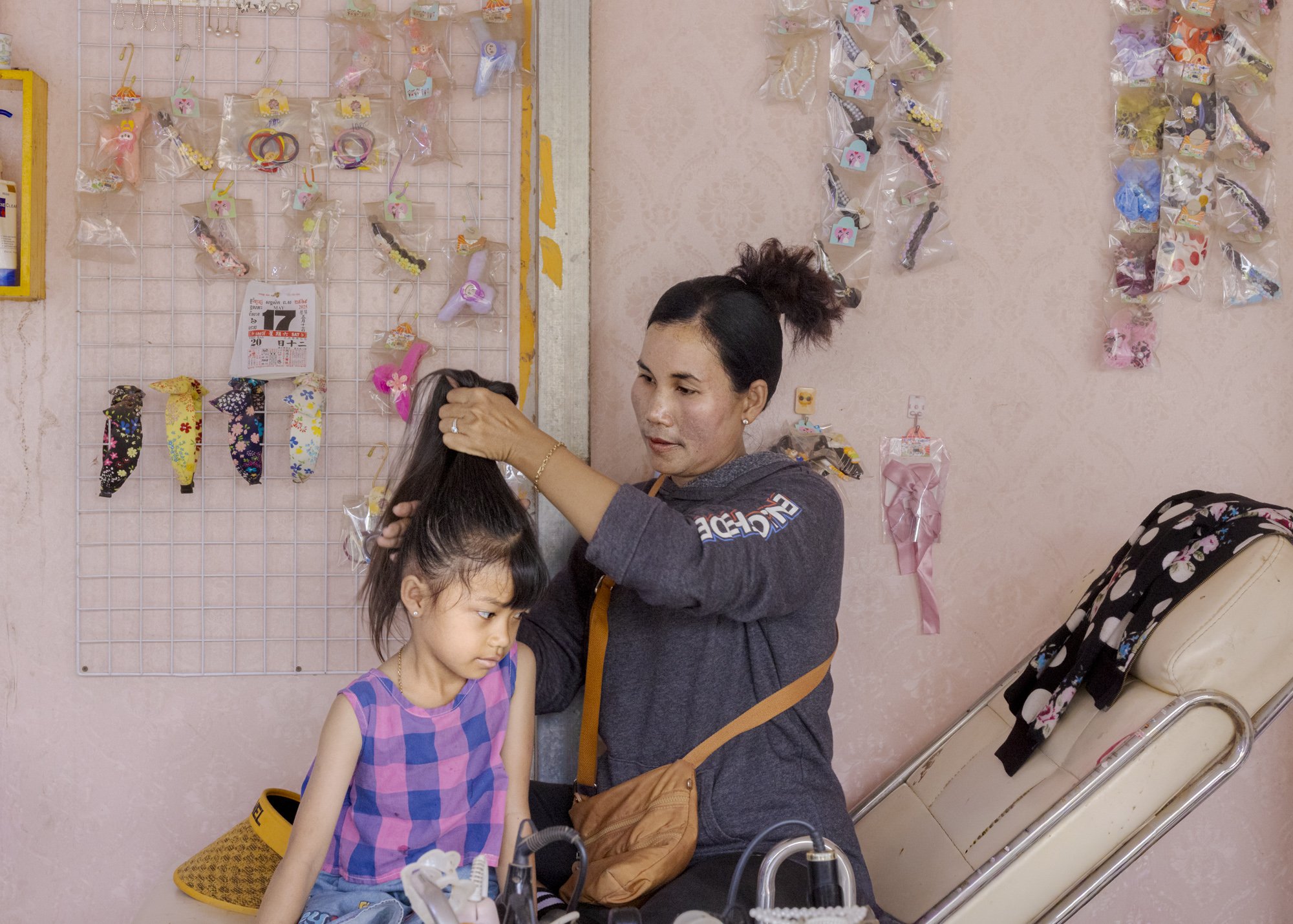
Your recent exhibition at Singapore’s Objectif Centre for Photography and Film examines the cultural understanding of women's hair and its functions in contemporary Cambodia. What gave you the idea for this project and how did that exhibition come about?
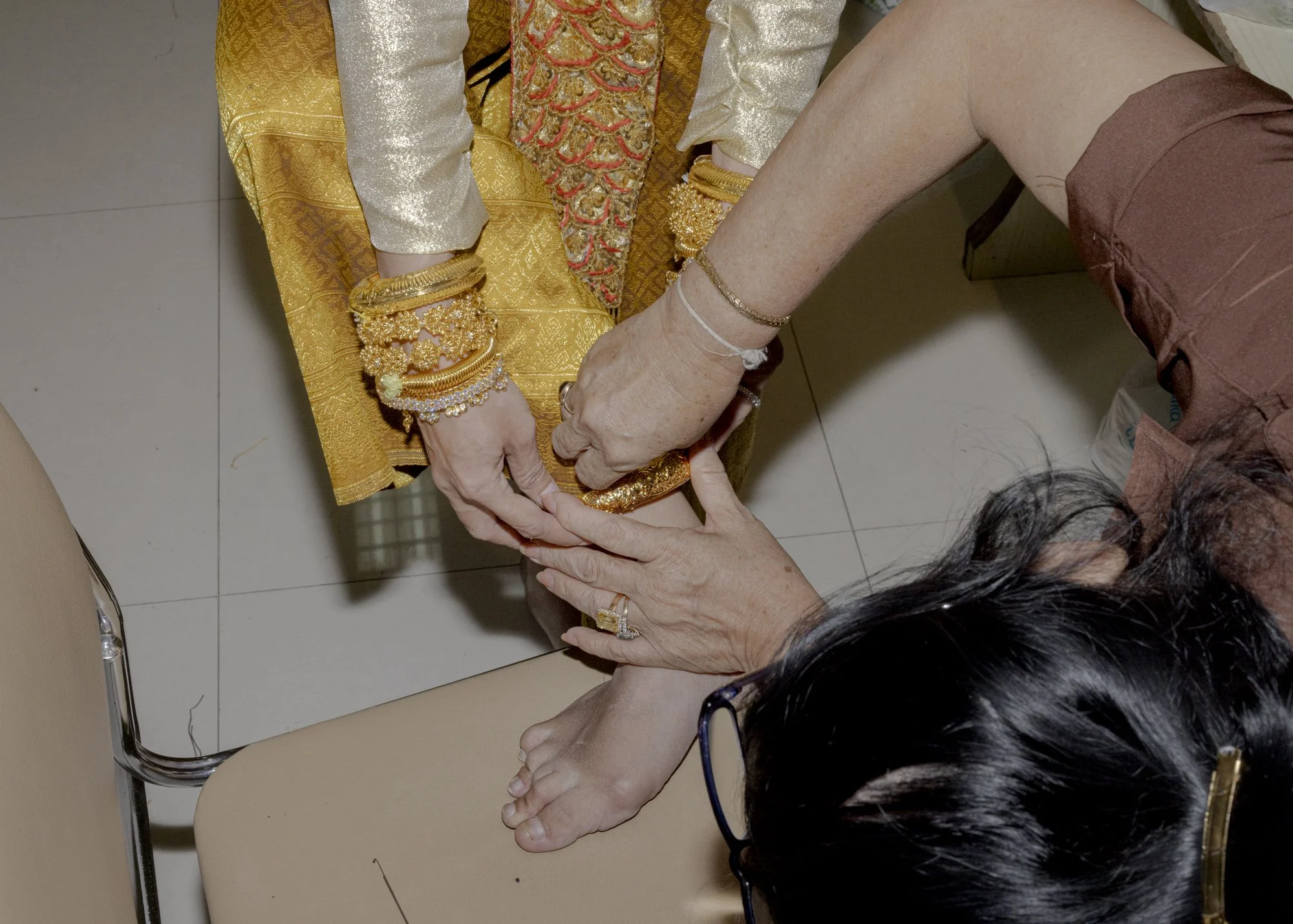
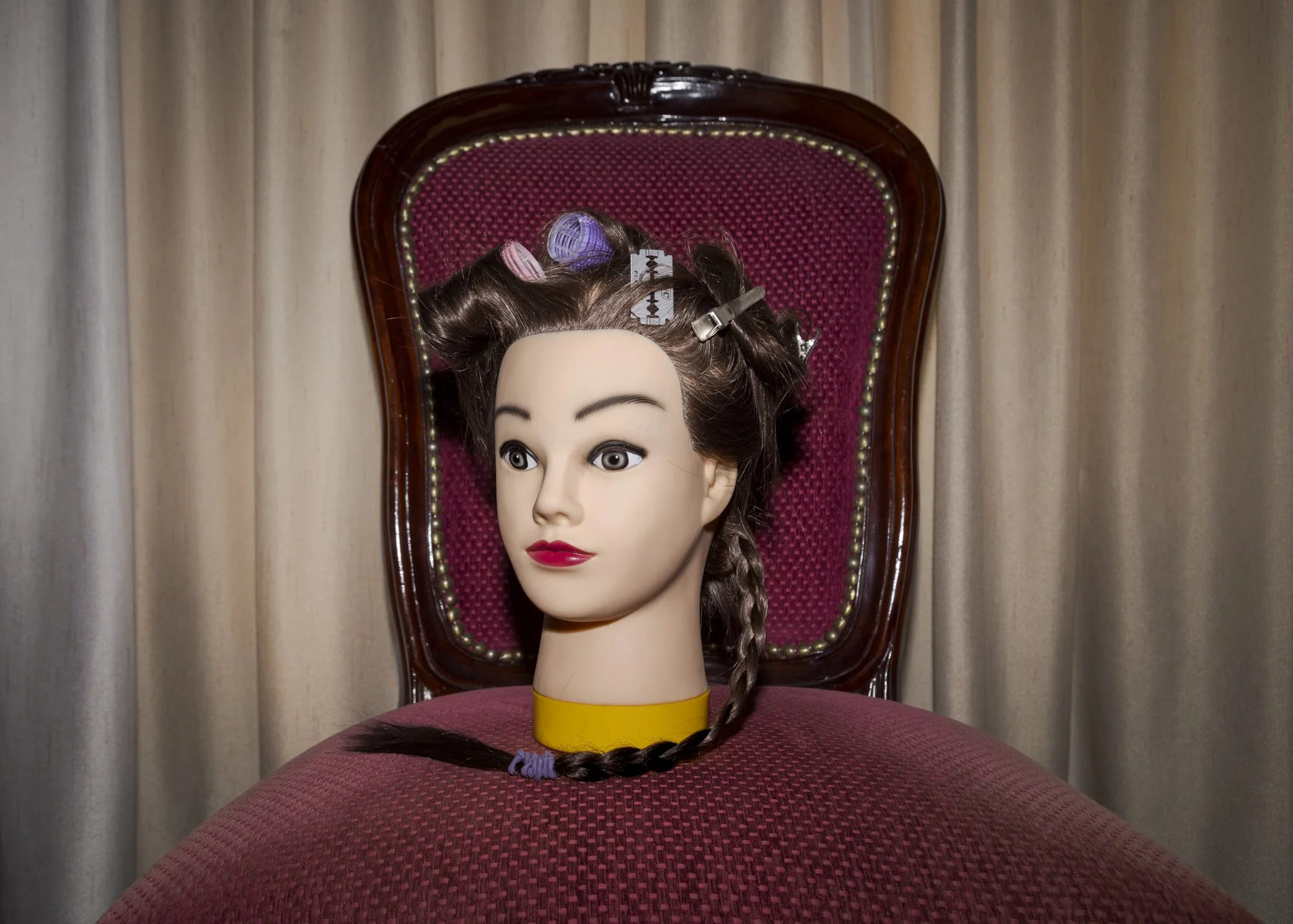
“The hair between us” followed from a fascination with hair salons in Cambodia while working on a different project. That then led me to think about my own complicated relationship with hair, and the meanings attached to it for people in my life, like my own mother, my grandmother, and my friends.
Hair became a way to think through ideas of beauty, identity, control, and even letting go, and how these play out in both private and public spaces. Basically, one thing led to another, and next thing you know it became this sort of existential look at hair in the context of my personal life and contemporary Cambodia. This was also the first time that I included myself in a body of work and explored personal tensions.
As the recipient of the 8th Objectifs Documentary Award Open Category, I had the support to move beyond thoughts and ideas and actually develop the work, and collaborated with curator Syaheedah Iskandar to put together the exhibition at Objectifs. The work as it stands is only the beginning, there’s still so much more to untangle.
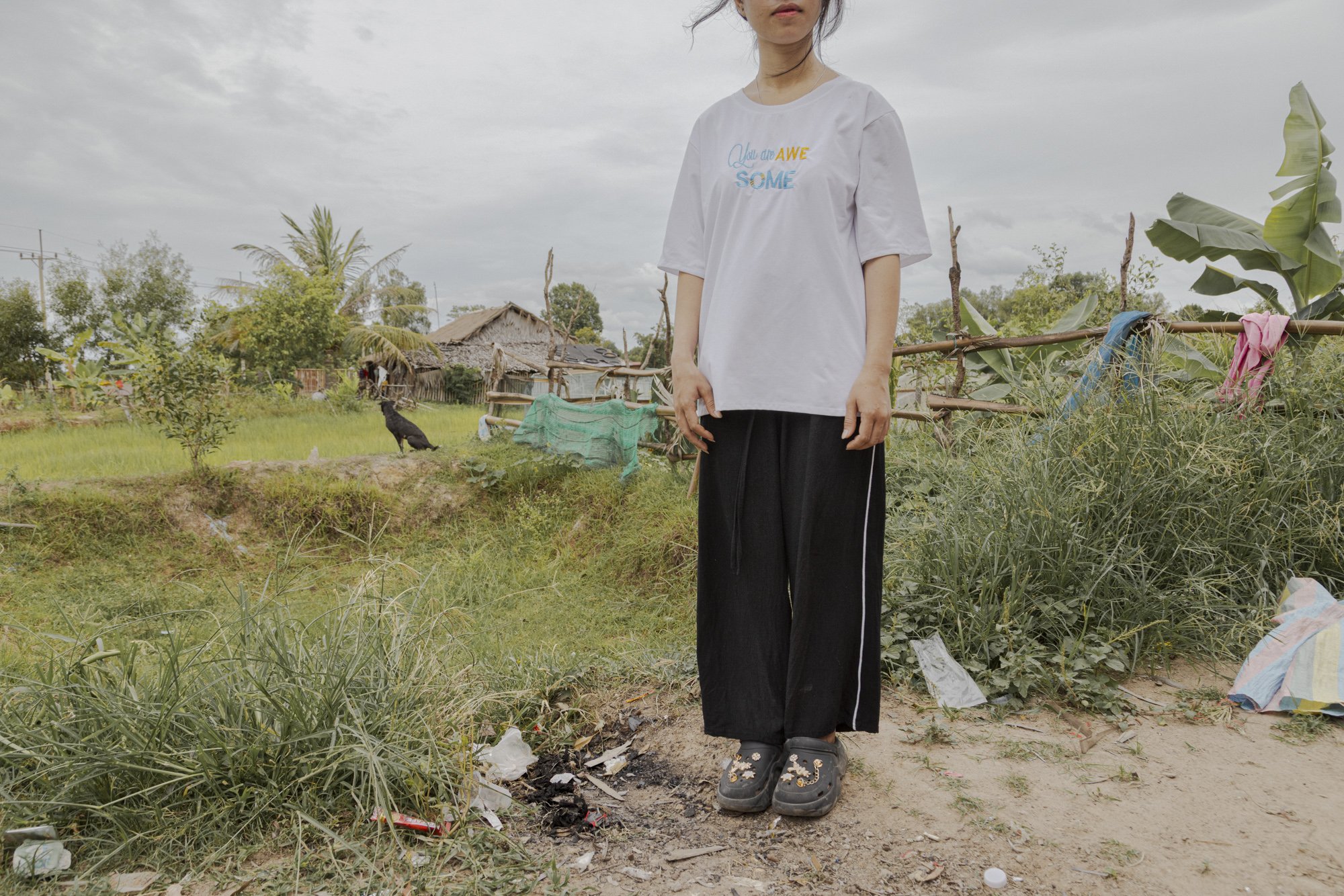
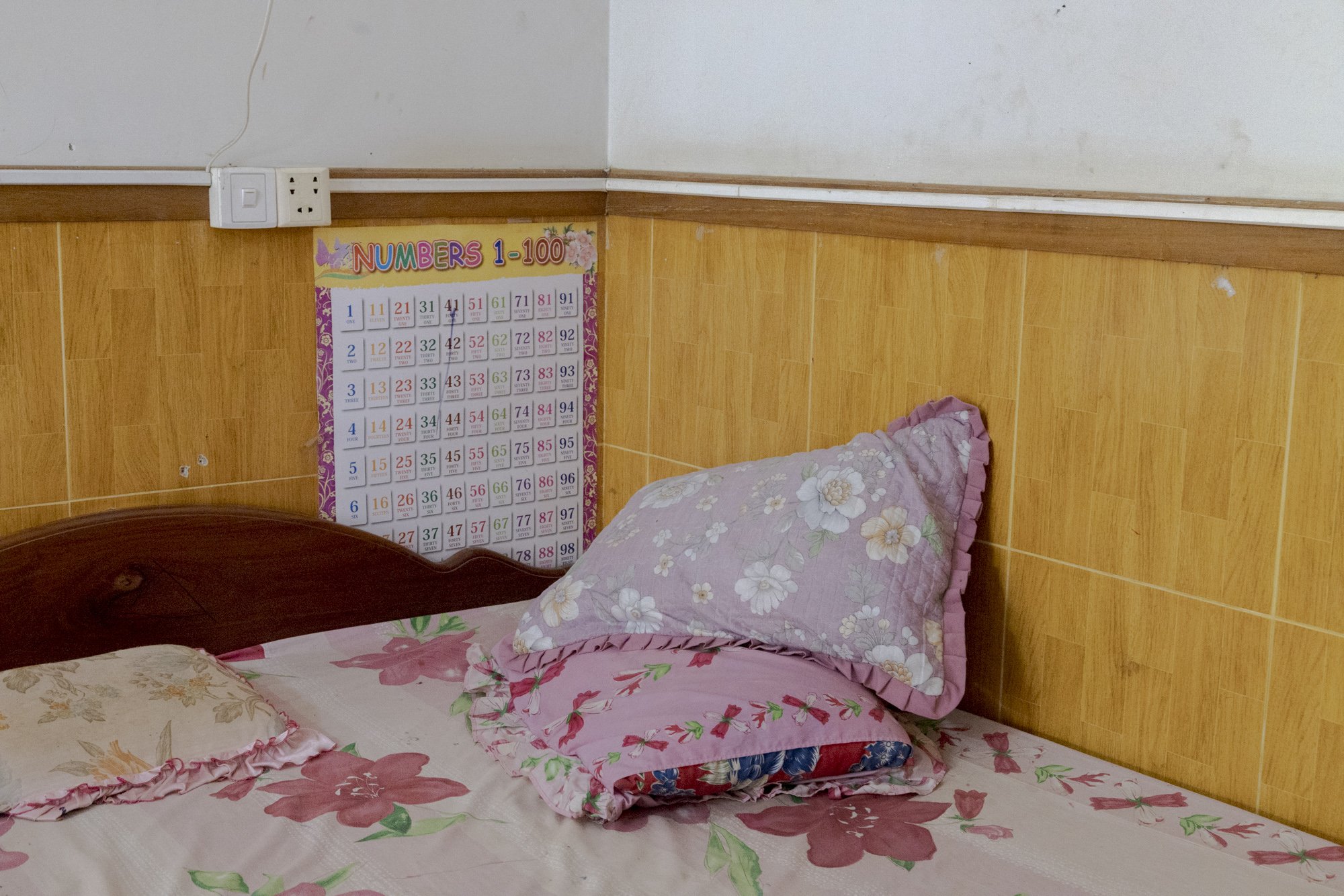
A previous project you worked on which was published on HaRDstories.org documented the sensitive issue of gender based violence in rural Cambodia. The stories you documented were harrowing. Why was this story so important to cover and why is it an issue rarely discussed?
In rural Cambodia particularly, gender based violence is not something that’s openly discussed, largely because of how embedded it is within social dynamics, and ideas of privacy and family. There are layers of shame, normalisation, and silence around it. So even though the issue itself isn’t invisible, the way it’s spoken about… or not spoken about… is much more complicated. In the story I worked on with journalist Kong Sreyrath for HaRDstories.org, that context was important, but so were the responses to it. There are women working through both formal and informal networks, finding ways to intervene and support others in their communities. Women like Kan Samin, for example, have their own ways of acting that don’t necessarily rely on formal structures, but still carry weight. This is the kind of work that’s less visible, but plays a real role in how these situations are actually dealt with. I don’t think focusing on the issue alone, or only photographing survivors, would sit well with me. There were moments it felt intrusive. Shifting the focus toward the women who respond to and mediate these situations allowed me to work through that discomfort and to balance my own position within the story.
You also work with other mediums, like film, in addition to photography. They have very different methods in their production process, how do you deal with that? And where does your real love lie?
For me, documentary is about the process regardless of the medium, so I don’t feel a big difference in my approach. Whether it’s photography, film, installation, or a mix, for me, the starting point is the same. It’s about letting time pass and and things unfold. That said, depending on the project, degrees of collaboration do vary. With photography, I often have more freedom to move quite independently, whereas with film I tend to rely more on collaborators. There is sometimes a push and pull between mediums, but most of the time they end up complementing each other. I like to let the medium be guided by the story rather than the other way around. I see the documentary process as creatively open, which allows me to discover freely. So my love doesn’t lie with any particular medium but the discoveries that come with it, of stories, of people and even of myself.
What are you currently working on or planning to cover in the future?
I’ll continue to follow stories that align with my curiosities, but also with what I feel matters, and that goes beyond women and gender. A lot of my personal work sits around questions of agency and control, especially within the Cambodian context, and I don’t see myself straying far from that.
The work on hair in particular is something I want to keep developing over the long term. It still feels quite open and there’s a lot to explore, from the more intimate, personal relationships people have with hair to larger systems like the virgin hair industry, and even its historical and cultural weight. It can keep expanding, taking different forms depending on where it leads.